Working in Norway: Labour Figures and Working-Time Rules Explained
Norway is known for its organised working environment, but anyone considering employment there should understand more than salary expectations. Here is what the latest official labour figures say, how working-time limits operate and why a job contract matters.
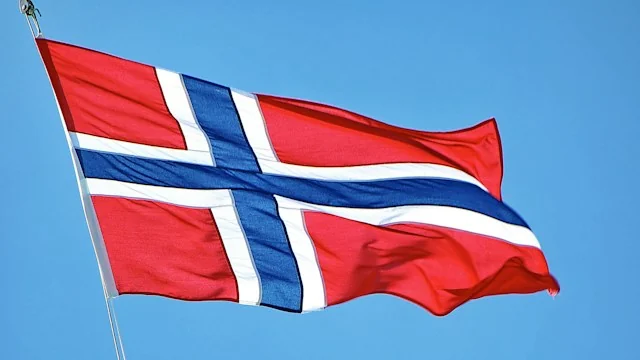
Cover photo: Image by Mark König on Unsplash
Working in Norway Is About More Than Finding a Job
Norway attracts international workers with its developed economy, established public services and structured employment system. But anyone considering a move should look beyond attractive salary figures.
The reality of working in Norway depends on the occupation, employer, location, qualifications, language requirements and the terms of the employment contract.
Official labour statistics provide one useful starting point. Norway's Labour Force Survey, published by Statistics Norway, measures employment, unemployment and people outside the labour force.
What the Latest Labour Figures Show
Statistics Norway's Labour Force Survey reported the following figures for September 2026:
- Employed people aged 15–74: approximately 2.928 million.
- Unemployed people aged 15–74: approximately 141,000.
- Unemployment rate: 4.6%.
These figures describe the national labour market. They do not mean that every occupation has the same level of demand or that international applicants can easily find work.
A national unemployment rate cannot tell a jobseeker whether a particular employer is recruiting, whether a foreign qualification will be accepted or whether a position offers sponsorship or the right to work.
People researching employment should look at vacancies in their own profession and compare the requirements with their qualifications and experience.
How Many Hours Can Employees Work?
Norway's working-time framework sets limits on ordinary working hours.
According to the European Employment Services information on living and working conditions in Norway, the general statutory maximum is:
- 9 hours within a 24-hour period.
- 40 hours within a 7-day period.
Lower weekly limits apply to certain demanding shift arrangements. The same source notes that a 37.5-hour working week is common under collective and contractual arrangements.
The distinction matters: a common contractual arrangement is not automatically the same as the general statutory maximum.
A worker should check the hours written into the employment contract and whether a collective agreement applies to the workplace.
Breaks and Rest Periods
Working-time rules also cover breaks.
Employees are entitled to a break when daily working time exceeds 5.5 hours. If the working day is at least eight hours, the total break time must be at least 30 minutes.
Breaks are normally not counted as working time when the employee is free to leave the workplace.
Employees are also generally entitled to daily and weekly rest periods under Norway's Working Environment Act.
For someone comparing job offers, these details are important. A salary should be considered alongside the number of working hours, shift pattern, breaks and other contract conditions.
Does Norway Have the Same Conditions in Every Industry?
No. Working arrangements can differ considerably between sectors.
A healthcare worker, hotel employee, construction worker, engineer and office employee may have very different schedules and contractual arrangements.
Shift work can also affect the applicable working-time limits. Some sectors use collective agreements that provide conditions different from the general arrangements.
Before accepting a position, ask the employer:
- What are the normal weekly working hours?
- Are evening, weekend or night shifts required?
- How are overtime hours handled?
- Which collective agreement, if any, applies?
- Are breaks paid or unpaid?
- What is the probation period?
- What benefits are included in the written offer?
Get important terms in writing rather than relying only on a verbal explanation.
What Foreign Jobseekers Should Prepare
A person applying from outside Norway should first establish whether they have the legal right to work there.
Work-authorisation requirements depend on nationality and individual circumstances. A job offer does not automatically provide permission to work.
Applicants should also prepare documents relevant to their profession. Depending on the occupation, these may include educational certificates, professional licences, evidence of experience and translations.
Some roles require Norwegian-language skills, while others may use English as the working language. Applicants should read each vacancy carefully rather than assume that English alone will be sufficient.
The Practical Lesson
Norway's labour market figures offer a useful national picture, but they are only the beginning of employment research.
The most useful next step is to investigate the actual occupation, employer, location and contract. Understanding working-time rules can help jobseekers compare offers more realistically and recognise when they need clarification before signing.
A well-informed decision should consider both the opportunity to earn and the conditions under which the work will be performed.
Official Sources & References
- Statistics Norway — “Labour force survey.” Labour market statistics, updated 5 November 2026.
https://www.ssb.no/en/arbeid-og-lonn/sysselsetting/statistikk/arbeidskraftundersokelsen/
- European Employment Services (EURES) — “Living and working conditions: Norway.” Working hours, breaks and rest periods.
Last verified: 19 November 2026.
Employment and work-authorisation conditions can depend on individual circumstances. Check the relevant Norwegian authorities and the written employment contract before making decisions.
Source: BenJournal. Full guide and latest updates: https://benjournal.com/posts/working-in-norway-labour-figures-and-working-time-rules-explained/ (last updated 18 November 2026).
Get new stories in your inbox
Stories, guides and updates from BenJournal. We send a link to confirm first, and you can unsubscribe at any time.
By subscribing you agree to our Privacy Policy.








No comments yet. Be the first to join the conversation.