Working in Japan Without a Degree: Specified Skilled Worker Visa Guide
Japan offers a direct legal work route for foreign nationals without a university degree through the Specified Skilled Worker visa. Here is how the system works.
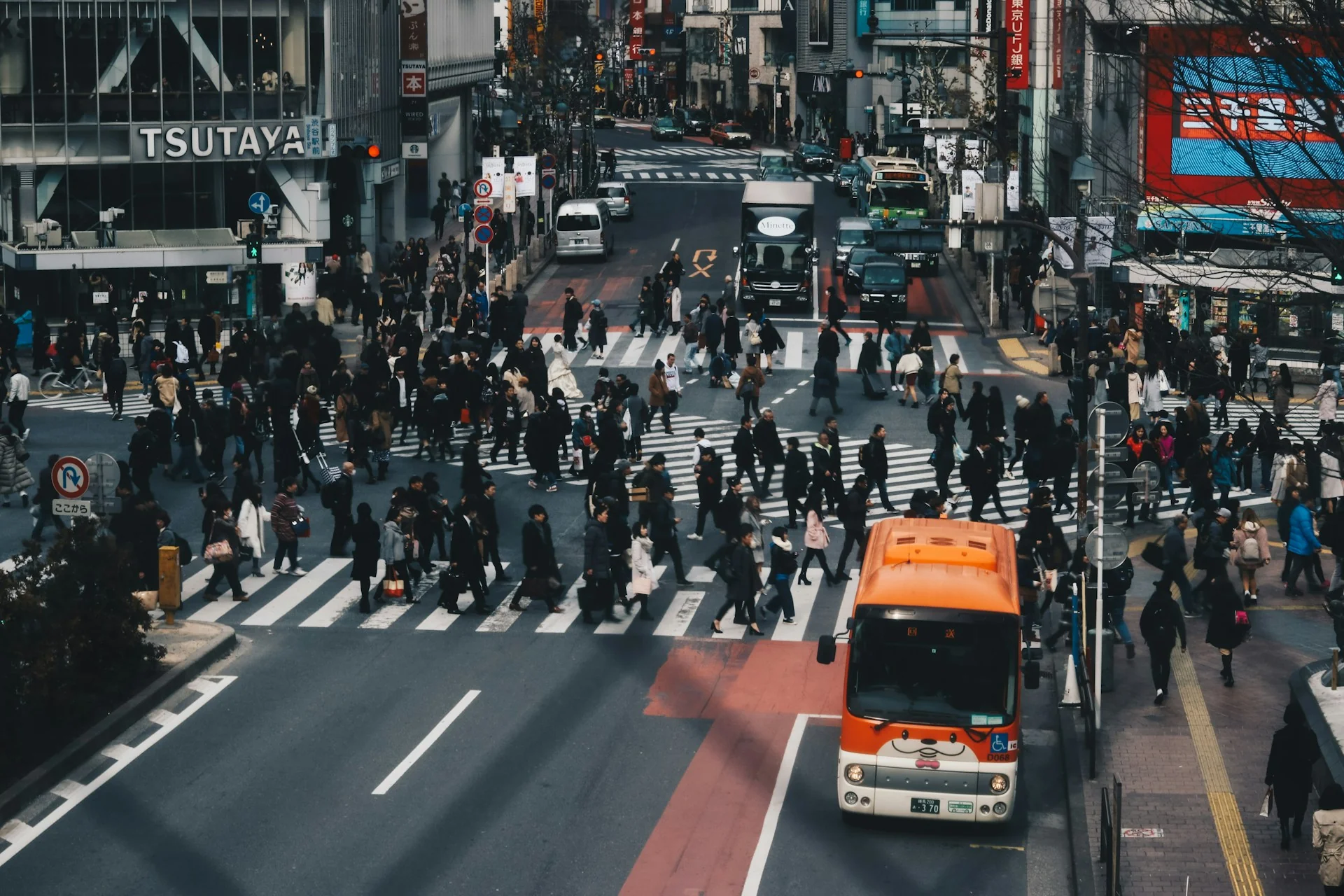
Cover photo: Image by Manuel Cosentino on Pexels
Japan is a popular destination for international career seekers, but many people assume you need a university degree to secure a legal work visa there. While traditional professional visas require a degree, Japan's Specified Skilled Worker (SSW) system provides an alternative path for individuals with practical skills in high-demand industries.
According to the Ministry of Foreign Affairs of Japan, the SSW framework was created to accept foreign nationals who can begin work immediately in response to severe labor shortages across specific sectors.
What Is the Specified Skilled Worker Visa?
Unlike training programs focused primarily on skills acquisition, the SSW is a full status of residence for active employment. It is split into two distinct tiers:
- Type 1 (SSW i): Designed for entry-level work requiring basic practical skills and daily Japanese language proficiency. The maximum total stay is five years, granted in renewable periods of one year, six months, or four months. Family members cannot generally be brought over under Type 1.
- Type 2 (SSW ii): Designed for more advanced skills in selected fields. It features no fixed upper limit on the total length of stay, allows visa renewals, and permits workers to bring their family members.
Eligible Industry Fields
The SSW system covers several distinct industries facing labor shortages. Some of the approved fields include:
- Agriculture and Fishery
- Construction
- Food and Beverage Manufacturing
- Food Service Industry
- Nursing Care
- Building Cleaning Management
- Automobile Repair and Maintenance
- Aviation and Accommodation
Each industry has its own specialized skill evaluations and requirements.
What You Need to Qualify
To apply for a Type 1 SSW visa, applicants generally need to meet three main criteria:
1. Age requirement: You must be at least 18 years old.
2. Skills test: You must pass a practical skill exam for your chosen industry field.
3. Language proficiency: You must demonstrate daily Japanese language capability, usually by passing the Japan Foundation Test for Basic Japanese (JFT-Basic) or the Japanese Language Proficiency Test (JLPT N4 or higher).
Applicants who have successfully completed Japan's Technical Intern Training (ii) program in a related field are exempt from these exams.
The Application Process
If you are applying from outside Japan, the general workflow involves passing the required tests, securing a job contract with an approved accepting organization in Japan, obtaining a Certificate of Eligibility (COE), and applying for your visa at a Japanese embassy or consulate.
Before making plans, always verify employer credentials and read the official guidelines directly through government channels.
Official Sources And References
- Ministry of Foreign Affairs of Japan: Specified Skilled Worker Visa Guide:
https://www.mofa.go.jp/mofaj/ca/fna/ssw/us/index.html
- Immigration Services Agency of Japan: SSW Overview:
https://www.moj.go.jp/isa/content/930005373.pdf
Last checked: 17 November 2026.
Get new stories in your inbox
Stories, guides and updates from BenJournal. We send a link to confirm first, and you can unsubscribe at any time.
By subscribing you agree to our Privacy Policy.






No comments yet. Be the first to join the conversation.