Studying in Chile: How the Student Residence Permit Works
Chile's migration service issues a student residence permit that you apply for from abroad. Here are the documents, the 30-hours-a-week work rule, extensions and how you could lose the permit, from SERMIG.
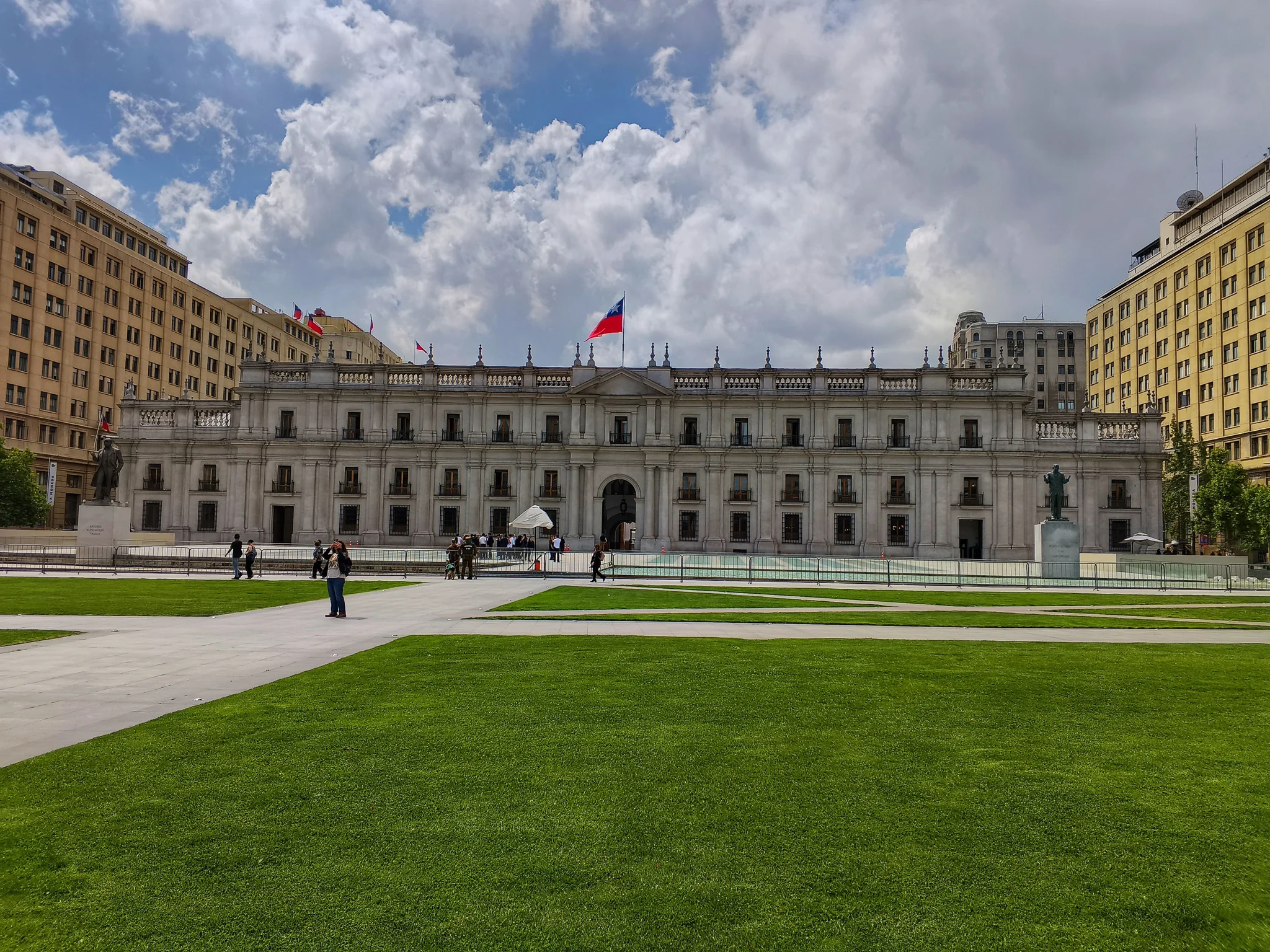
Cover photo: Image by Marcelo Rodrigo on Pexels
Chile is becoming a serious study destination in Latin America, and its student permit has clear rules that are easy to get wrong. I read the official page from Chile's National Migration Service (Servicio Nacional de Migraciones, SERMIG) on the student subcategory of the Residencia Temporal permit, last updated on 18 December 2025. This guide explains what it says in plain words.
Who this permit is for
SERMIG says the permit is for foreigners who want to live in Chile to study in educational establishments recognised by the State, as long as they meet the requirements. Before you pay for anything, check that your school or university is recognised.
Where you apply
The application must be made from outside Chile. You log in to SERMIG's online procedures portal with an account you create, or with ClaveÚnica (Chile's digital identity login): https://tramites.serviciomigraciones.cl/. The page says the application is only available from abroad.
What you need
SERMIG lists five documents:
1. A valid passport for all nationalities
2. A criminal record certificate (or equivalent) from your country of origin, or from the country where you've lived in the last 5 years, if you're over 18
3. A recent photo in colour on a white background, looking at the camera, with your whole face visible, a neutral expression, open eyes and no glasses or hat, taken as close as possible to the date of application, in JPG or PNG
4. A regular student certificate (Certificado de Alumno Regular) or a certificate of enrolment (Certificado de Matrícula)
5. Proof of income or livelihood, such as bank deposits, periodic money orders in your name, or an affidavit of expenses from a family provider in Chile signed before a notary, who must show their income. If you have a scholarship, you give the scholarship certificate showing its length, funding and study centre
The rules that trip people up
- Passport: it must be valid for at least one year from the application date, for applications from abroad
- Criminal record: it must be no more than 60 days old
- Language: documents in a language other than Spanish or English need a translation authorised by a certified body
- Apostille: documents issued abroad must be apostilled or legalised, as Chile's Code of Civil Procedure requires
- Freshness: documents from private parties must be submitted within 30 days of issue, and documents from public institutions within 60 days, unless their validity is stated
- Format: everything must be uploaded as PDF
SERMIG also warns you to keep your documents up to date, because it can ask for them to be valid when it reviews your case.
Can you work as a student?
Yes. SERMIG says a holder of this permit can do lawful paid work up to 30 hours per week, with no extra authorisation. The work can be at your own institution or for another employer or contractor. And working won't count as a reason to lose your student status, unless you go over the 30-hour maximum.
Extending the permit
To extend it, you must show that you're still studying, at the date of application, in the same programme that gave you the original permit. You also need documents proving the money you'll use to cover your stay.
How you could lose it
SERMIG says the permit can be revoked if you lose your status as a regular student. The exception is unforeseeable circumstances or force majeure, which you can raise in the revocation procedure.
Family
You can apply for a permit as a dependent of the holder, if your situation falls under paragraphs 1 and 2 of Article 74 of Law 21.325.
What I'd do now
- Confirm your university is recognised by the State before you apply
- Get your criminal record certificate last, so it's under 60 days old when you upload
- Check your passport has more than one year of validity
- Apostille and translate your documents in good time
- Keep your work under 30 hours a week
- Apply only through SERMIG's own portal, not an agent
- Read the original page before you act: https://serviciomigraciones.cl/en/residencia-temporal-permit/subcategories/students/
If you're thinking about working in Chile instead, read this: https://benjournal.com/posts/chile-work-permit-residencia-temporal-for-employees-and-job-offers/
And for another Latin American option: https://benjournal.com/posts/colombia-digital-nomad-visa-visa-v-requirements-and-who-can-apply/
Have a question about studying in Latin America? Ask Ben on BenJournal, and follow Ben for new guides.
Sources: Servicio Nacional de Migraciones (SERMIG), Government of Chile, "Students from state-recognized establishments" (last update 18 December 2025).
Last checked: 28 November 2026.
Source: BenJournal. Full guide and latest updates: https://benjournal.com/posts/studying-in-chile-how-the-student-residence-permit-works/ (last updated 27 November 2026).
Get new stories in your inbox
Stories, guides and updates from BenJournal. We send a link to confirm first, and you can unsubscribe at any time.
By subscribing you agree to our Privacy Policy.






No comments yet. Be the first to join the conversation.