Studying in Argentina as a Foreigner: Student Residence Steps
Argentina offers a one-year student residence you apply for online, but the old "free for foreigners" promise is changing. Here is how the official process works and what to check before you choose a university.

Cover photo: Image by monse olmos on Pexels
Argentina has long been known as a place where foreigners can study at public universities without paying tuition. That reputation is now out of date, and it's the first thing to know before you plan. I read the Argentine government's own pages on student residence (argentina.gob.ar), the Ministry of Education's guide for international students and a recent news report on the fee change. This guide explains what each says.
The first thing to check: tuition
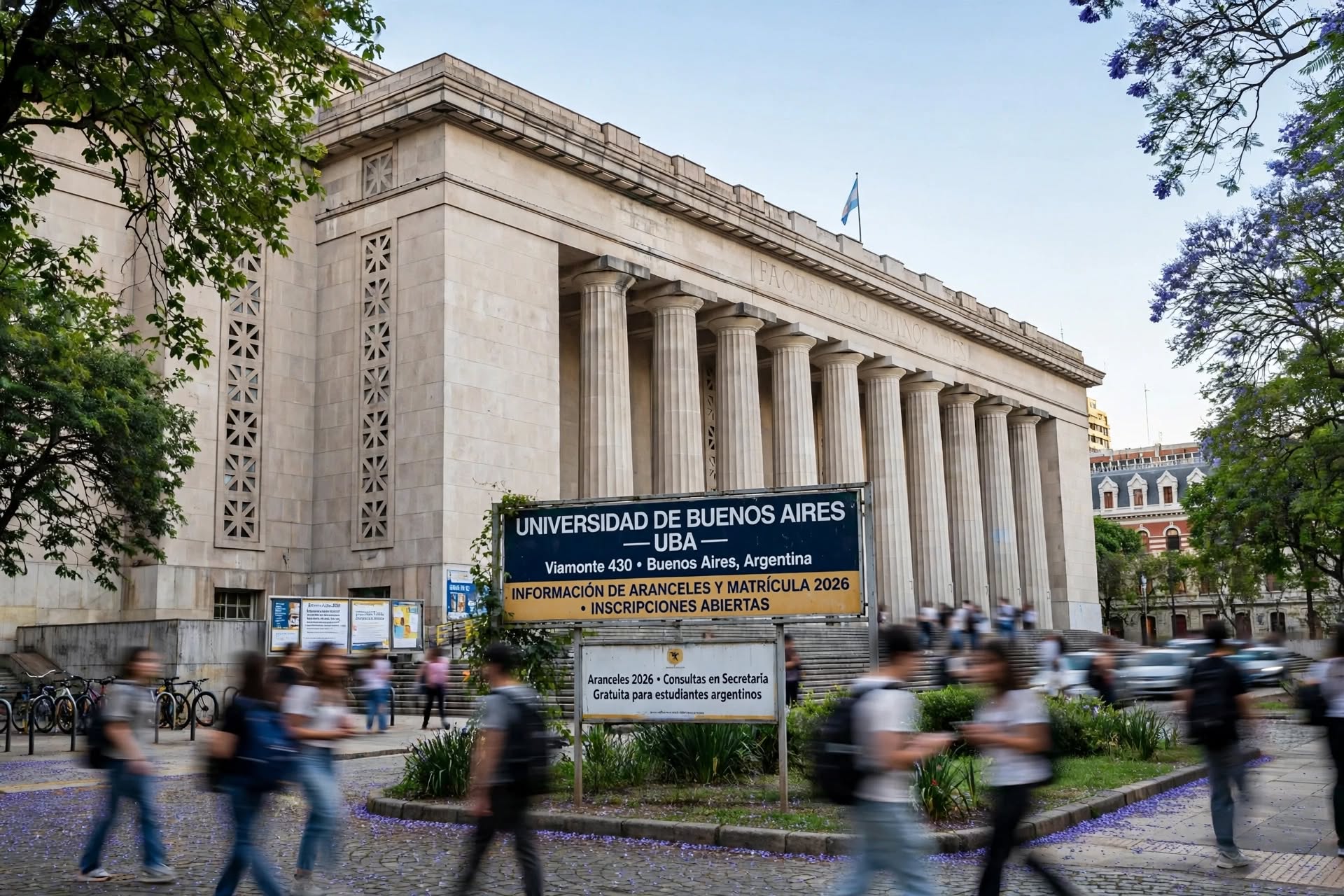
The Ministry of Education's guide for international university students says higher education is free for people who study at national universities, such as the University of Buenos Aires, the University of Córdoba and the University of La Plata. But that guide is from 2018.
A July 2026 report in the Argentine newspaper Infobae says a presidential decree, DNU 366/2025, authorises national universities to charge foreign students who aren't permanent residents. It quotes the government's university policy undersecretary saying the rectors have been legally allowed to do so since May 2025, and that it is now up to each university. I haven't read the decree itself, so treat this as a warning to check, not a final answer.
In plain words: don't assume your university is free. Ask it in writing what it charges a foreign student without permanent residence.
The student residence permit
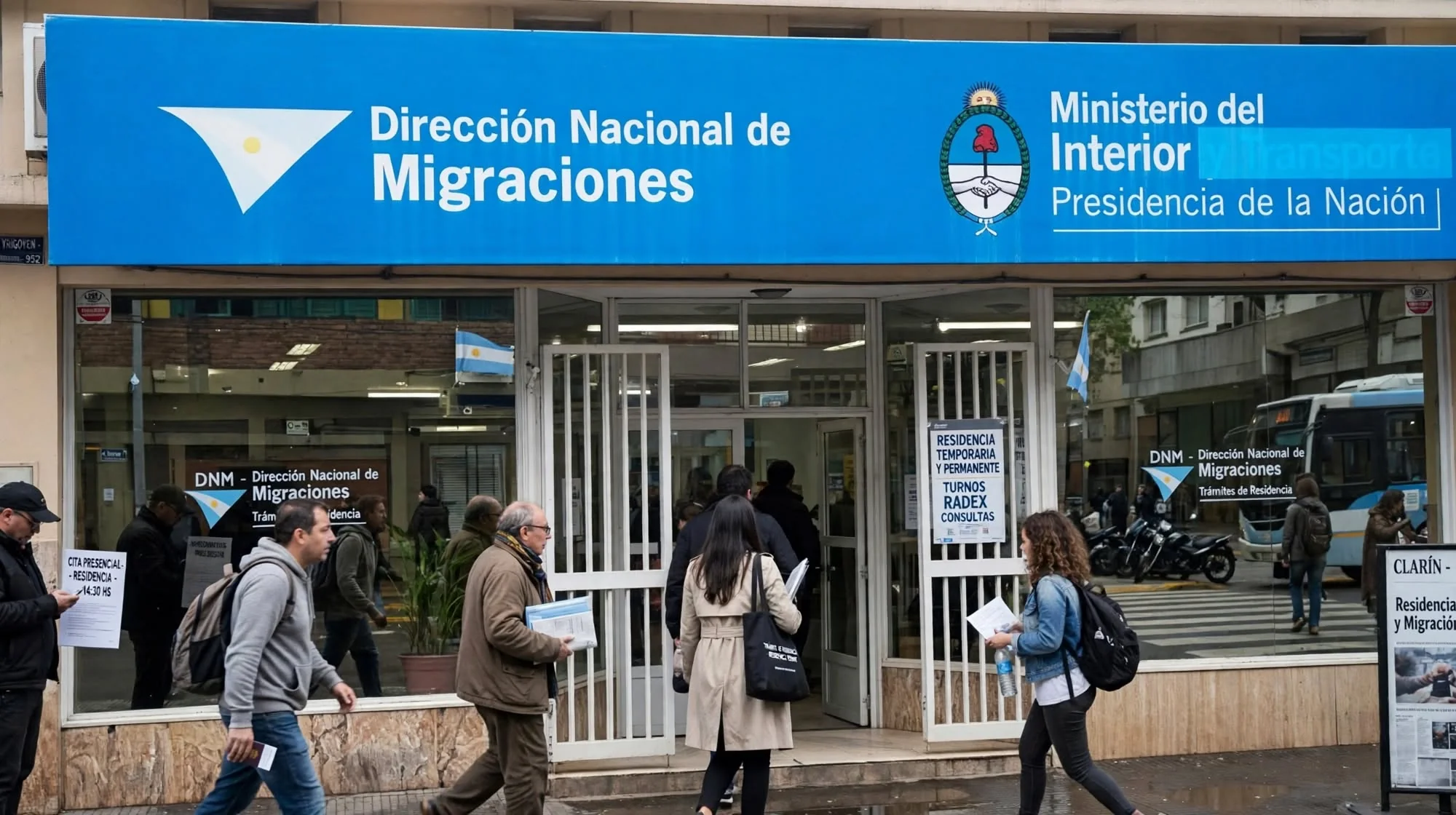
The government's page calls it a Residencia Temporaria for foreigners who enter Argentina to study as regular students at recognised public or private institutions. It covers secondary, tertiary, university or specialised studies.
- How long: it's granted for 1 year, and it can be extended
- Who it's for: people from outside MERCOSUR need this permit. The page lists three types of entry: formal studies in the official system, partial studies, and non-formal courses
The documents
The official page lists, in general:
- your personal documents (passport)
- a criminal record certificate covering the last three years, required only for people over 16
- proof of address in Argentina
- regular entry into the country
- proof of your student status, which depends on your category (for example, a full degree in the official education system)
How the process works
1. The institution acts first. The immigration regulations say the educational institution must be registered in the national register of requesters, and must ask the National Directorate of Migration (DNM) to authorise your entry
2. You get your visa at the Argentine consulate in your country once you have the admission and the entry authorisation. The Ministry of Education's guide says the university advises you on the procedures and documents
3. You apply online for your residence through the government's electronic entry system (TIE 24H) and attach your documents
4. You get an email with an in-person appointment date, if your file meets the requirements
The government stresses that these procedures are personal and simple, and you don't need an agent (gestor).
Extending your residence
To extend a student residence, the page lists:
- a certificate of regular student status, legalised by the Ministry of Education
- a certificate of passed subjects (analytic), also legalised by the Ministry of Education
- for a postgraduate degree or a master's, a letter from the institution, legalised by the Ministry of Education
Language and the wider picture
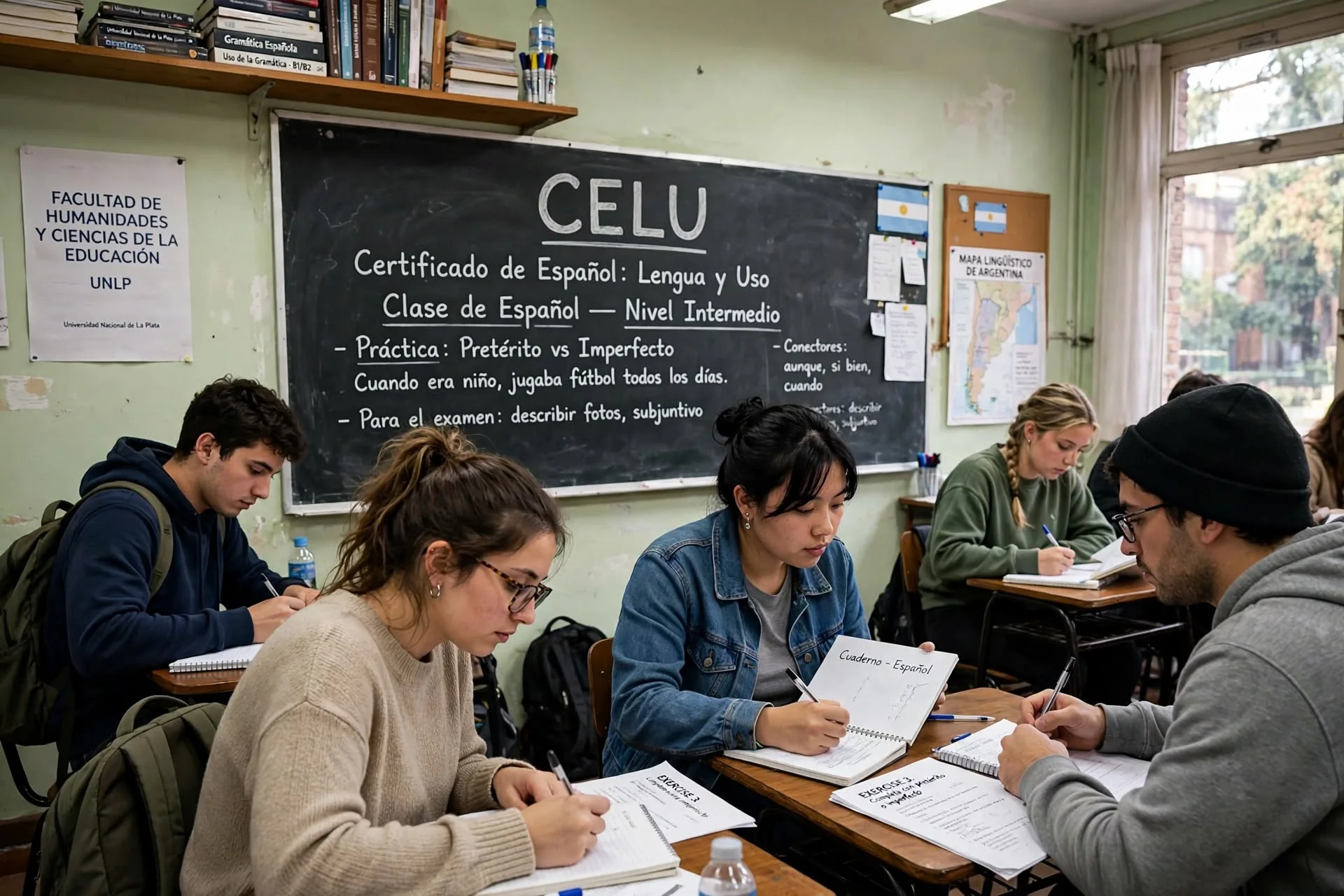
The 2018 guide says Argentina has more than 100 higher-education institutions and more than 50,000 foreign students. It describes the CELU, an official Spanish certificate awarded by a consortium of national universities. Most degrees are taught in Spanish, so plan your language preparation.
What I'd do now
- Email the university first and ask in writing about tuition for a foreign student who isn't a permanent resident
- Check that the institution is registered to request entry for foreign students
- Order your criminal record certificate (it covers 3 years) and legalise your school documents
- Don't pay an agent. The government page says you don't need one
- Read the current rules at the National Directorate of Migration's pages on argentina.gob.ar
For another Latin American study destination, read: https://benjournal.com/posts/study-in-brazil-for-free-what-ufabc-actually-costs-nigerians/
To check what each passport needs for travel, see: https://benjournal.com/posts/easy-vs-hard-visas-for-2027-what-governments-officially-say/
Have a question about studying in Latin America? Ask Ben on BenJournal, and follow Ben for new guides.
Sources: Government of Argentina (argentina.gob.ar), student temporary residence pages (National Directorate of Migration); Ministry of Education, "Guide to university education in Argentina for international students" (2018); Argentine immigration regulations on student entry; Infobae, 22 July 2026, report on DNU 366/2025.
Last checked: 22 November 2026.
Source: BenJournal. Full guide and latest updates: https://benjournal.com/posts/studying-in-argentina-as-a-foreigner-student-residence-steps/ (last updated 22 November 2026).
Get new stories in your inbox
Stories, guides and updates from BenJournal. We send a link to confirm first, and you can unsubscribe at any time.
By subscribing you agree to our Privacy Policy.






No comments yet. Be the first to join the conversation.