Singapore Migrant Dorm Standards From 2027: What Workers Should Know
Singapore's Ministry of Manpower has announced temporary relaxations to certain New Dormitory Standards from January 2027. The changes affect living space and room occupancy in qualifying dormitories, but the one-metre bed-spacing requirement remains.
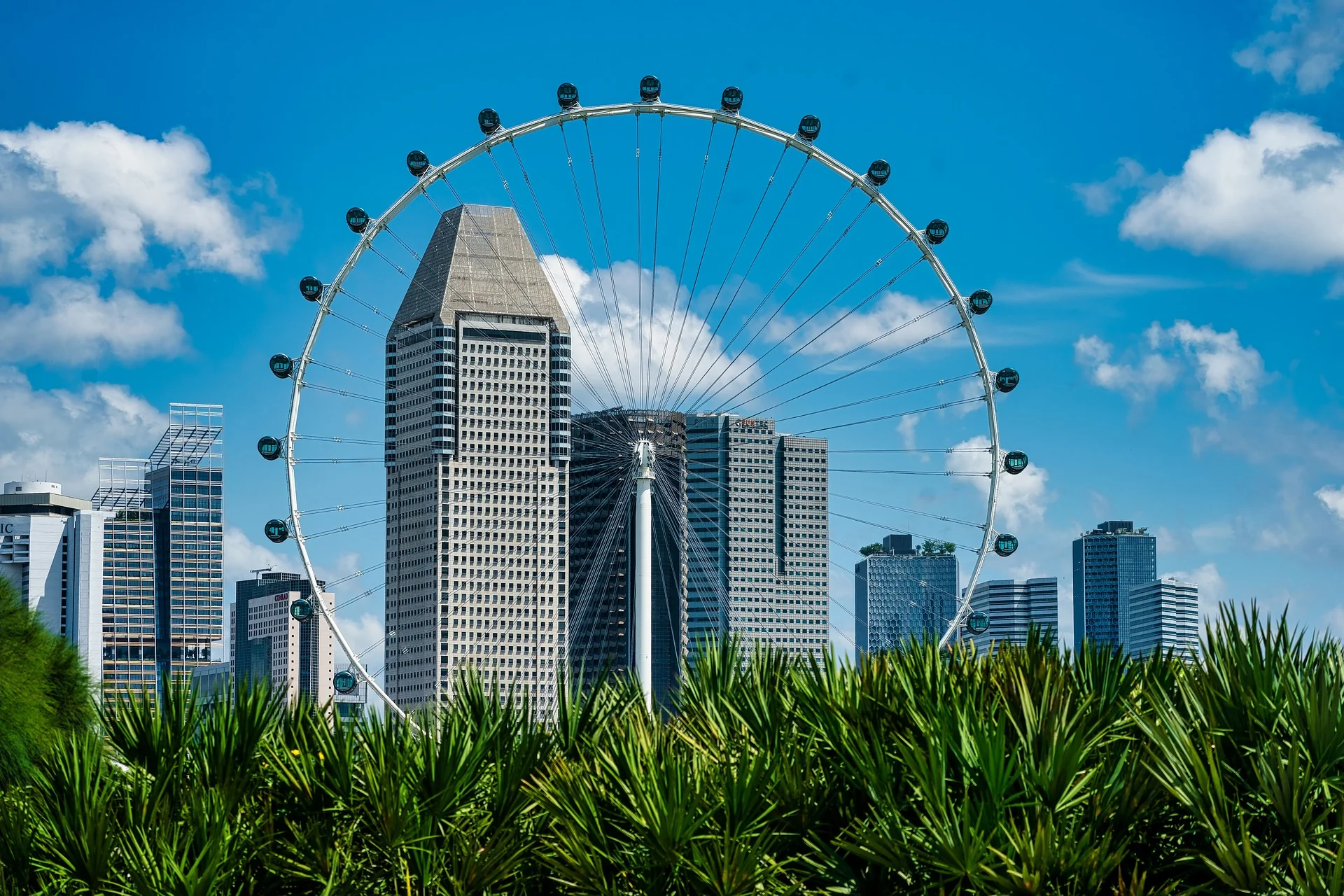
Cover photo: Image by jonleong64 on Pixabay
Singapore has announced changes to some of its accommodation standards for migrant workers, and the details are worth understanding for people already working in the country or planning to take up employment there.
The Ministry of Manpower published the announcement on 6 November 2026.
The changes will take effect on 1 January 2027 and concern the New Dormitory Standards (NDS).
Importantly, these are temporary relaxations to certain requirements. They are not an announcement of new work permits or overseas recruitment opportunities.
What exactly is changing?
Singapore's Ministry of Manpower says it will introduce two interim relaxations to the New Dormitory Standards.
The aim is to help build sufficient dormitory bed capacity for migrant workers.
The changes mainly concern the amount of living space allocated per resident and the maximum number of residents permitted in certain rooms.
How much living space will be allowed?
For qualifying dormitories that were approved on or after 18 September 2021 and built to the New Dormitory Standards, the existing requirements include:
- At least 4.2 square metres of living space per resident.
- No more than 12 residents per room.
- At least one metre of spacing between beds.
Under the temporary operational relaxation, qualifying operators can apply to use:
- At least 3.6 square metres of living space per resident.
- No more than 14 residents per room.
There is an important condition: the one-metre spacing between beds remains mandatory.
This means the changes allow a higher room occupancy and less floor space per resident in qualifying facilities.
When will the relaxation apply?
The temporary operational relaxation will run from:
1 January 2027 to 31 January 2030.
After that period, the New Dormitory Standards will apply again.
The change is not automatic for every dormitory. Operators must obtain the relevant approvals from the technical agencies and the Ministry of Manpower.
What about new short-term dormitories?
The government has also announced a separate adjustment for certain new short-term dormitories.
This includes:
- Construction Temporary Quarters.
- Temporary Occupation Licence Quarters.
- Quick Build Dormitories.
These facilities are intended to stop operating before 2040.
Instead of the New Dormitory Standards, the government will relax the planning requirement to allow these facilities to be built to the Dormitory Transition Scheme standards.
The key requirements include:
- At least 3.6 square metres of living space per resident.
- No more than 12 residents per room.
- One-metre bed spacing is recommended under these standards.
This planning relaxation will also start on 1 January 2027.
Dormitories intending to continue operating from 2040 onwards must still be built to the New Dormitory Standards.
What does this mean for migrant workers?
For workers already living in Singapore, the announcement is worth paying attention to because accommodation is an important part of everyday working life.
However, it does not mean every worker will immediately move to a different dormitory or have their accommodation changed.
The relaxations are optional for qualifying operators and require the necessary approvals.
Workers should continue to understand their accommodation arrangements and raise genuine concerns through the appropriate employer or government channels.
Does this affect work permit applications?
The announcement concerns dormitory standards.
It does not introduce a new Work Permit category, change the general eligibility requirements for foreign workers or guarantee that someone applying from overseas will receive employment.
If you are planning to work in Singapore, you still need a genuine employer and the correct work authorisation.
Why is Singapore making this change?
The Ministry of Manpower says the changes are part of the government's efforts to build sufficient dormitory bed capacity for migrant workers.
There is a balance to consider between accommodation supply, operating requirements and living conditions.
For workers, the important detail is that the announcement does not remove every existing accommodation safeguard. The one-metre bed-spacing requirement remains mandatory under the temporary operational relaxation for qualifying existing dormitories.
What should foreign workers do now?
- Check your current accommodation arrangements.
- Understand which dormitory standards apply to your facility.
- Raise accommodation concerns through the appropriate channels.
- Do not assume that all dormitories will adopt the temporary relaxations.
- If planning to work in Singapore, verify your work permit and employment arrangements separately.
Official Sources & References
- Singapore Ministry of Manpower: Interim relaxation of New Dormitory Standards for migrant worker dormitories, 6 November 2026.
- Singapore Ministry of Manpower: Official information on work passes and permits.
https://www.mom.gov.sg/passes-and-permits
Announcement date: 6 November 2026.
Effective date: 1 January 2027.
Last verified: 6 November 2026.
BenJournal. Life Beyond Borders.
Get new stories in your inbox
Stories, guides and updates from BenJournal. We send a link to confirm first, and you can unsubscribe at any time.
By subscribing you agree to our Privacy Policy.






No comments yet. Be the first to join the conversation.