Moving to Japan: Residence Card, 14-Day Address Rule and First Steps
Japan's Immigration Services Agency says foreign residents must register their address within 14 days and carry their residence card at all times. Here is how the card works, what to do when you move, and the mistakes that lead to trouble.
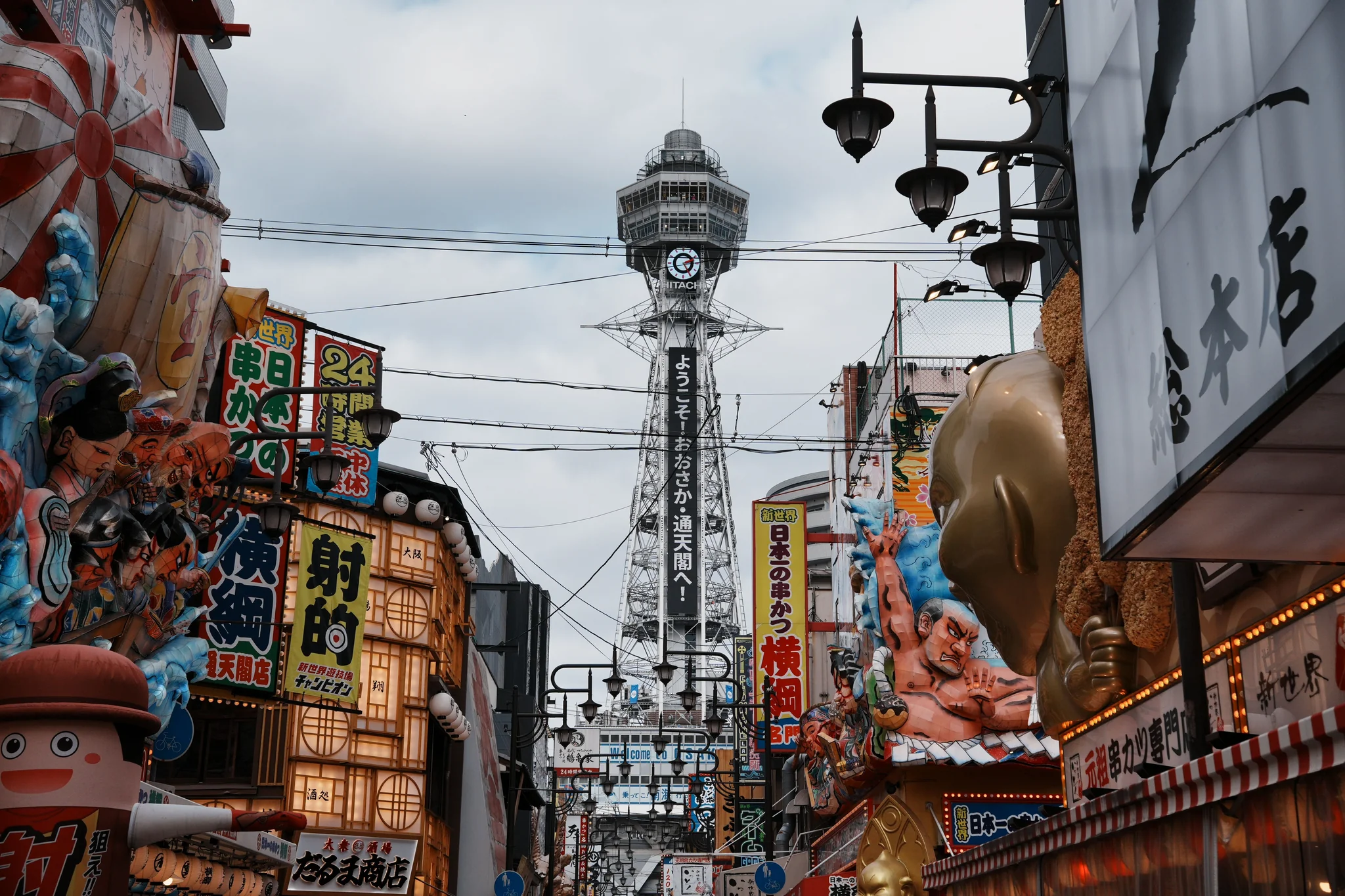
Cover photo: Image by Kent Chin on Pexels
Japan is a very organised country, and its rules for foreign residents are very specific. The most important one comes within your first two weeks: you have to register where you live. I read the English "Life and Employment Guidebook" published by Japan's Immigration Services Agency (ISA, part of the Ministry of Justice), plus its separate page on notifications to municipal offices. This guide explains what they say in plain words.
What the residence card is
The residence card is an ID for foreign residents in Japan. It shows your identification details, your period of stay and your status of residence. The ISA says:
- If you're 16 or older, you need to carry it at all times
- You can use it as ID when you do official procedures at local government offices or sign a contract
Who gets one
A residence card is issued to people staying in Japan for more than three months, called mid-to-long-term residents. It's not issued to:
- people granted permission to stay three months or less
- people with "Temporary Visitor" status
- diplomats or official-status holders
- certain staff of specific offices and their families
- special permanent residents
- people with no status of residence
How you get it
- If you land at certain airports, the card is issued at the airport. The ISA lists Narita, Haneda, Chubu, Kansai, New Chitose, Hiroshima and Fukuoka
- If you land at another airport or port, you submit a moving-in notification at your municipal office, and the card is then delivered to your home by mail
- When your stay is extended or your status changes, you get a new card
The 14-day rule
This is the one to remember. The ISA says a person who has been issued a residence card must register their address by filing a moving-in notification within 14 days after their residence has been determined. To file it, you bring your residence card, or your passport if your card is going to be issued later.
When you move later
- Moving to another city: before you move, you file a moving-out notification at the municipal office where you lived. After moving, you file a moving-in notification at the new office within 14 days
- Moving within the same municipality: file a change of address notification within 14 days
- Leaving Japan: file a moving-out notification before you go
If you lose your card
You have to apply for reissuance at the Regional Immigration Services Bureau within 14 days of finding out it's lost. The ISA lists:
- your passport
- a photo, 4 cm by 3 cm, taken within the last three months (not needed under 16)
- proof of the loss, such as a lost property report certificate, a theft report or a disaster victim notification
- an application for reissuance
Extending your stay or changing your status
- Extension: apply at a Regional Immigration Services Bureau before your period of stay expires. You need your passport, residence card, a photo, the application form and documents describing your planned activities
- Change of status: if you want to change your purpose of residence, you apply for a change of status of residence
Working on the wrong status
The guide has a warning that matters for students and dependants: if your status doesn't allow work, such as "Student" or "Dependent", you need permission to engage in activities other than those permitted before you earn money. Working without it can lead to trouble.
Notifications to immigration
Some statuses need a notification within 14 days when something changes. For example, holders of statuses such as Professor, Business Manager, Intra-company Transferee, Student or Trainee must notify when their accepting organisation changes. Holders of statuses such as Engineer/Specialist in Humanities/International Services, Skilled Labour and Specified Skilled Worker must notify when their organisation of affiliation changes. Holders of Dependent or spouse statuses must notify of divorce or death of a spouse.
Leaving and coming back
- Special re-entry permission: if you return within 1 year (or before your period of stay ends, if earlier), you don't need a separate permit, as long as you have your residence card and a valid passport
- Longer absences: you apply for a re-entry permit at a Regional Immigration Services Bureau, for up to 5 years
The serious part
The guide is clear on overstaying: even one day beyond your authorised stay is overstaying and grounds for deportation. If you're deported, you're basically not allowed to enter Japan again for five or ten years.
Points system for skilled workers
Japan has a points system for highly skilled professionals. If you score 70 points or more, you can be admitted as a "Highly-Skilled Professional". The ISA lists benefits, including permission for multiple activities, the longest period of stay of 5 years, and relaxed requirements for permanent residence.
Where to get help
- Foreign Residents Support Center: 0570-011000 (from overseas: 03-5363-3013)
- Foreign Resident General Information Center: 0570-013904 (from overseas: 03-5796-7112)
- The ISA website is in Japanese and 14 other languages: https://www.moj.go.jp/isa/index.html
The same guidebook covers a lot more, including the My Number system, labour contracts, minimum wage, health insurance, pension, tax, housing and opening a bank account. It's worth reading if you're planning a move.
What I'd do now
- Count 14 days from the day you settle in and book time to visit your municipal office
- Carry your residence card. If you're 16 or over, you must have it with you
- Check your status before taking a job. A student or dependant visa doesn't automatically allow work
- Never overstay. Apply to extend before the date, not after
- Use official pages and the helplines above, not an agent
For the new immigration fees, see: https://benjournal.com/posts/japan-increases/
Sources: Immigration Services Agency of Japan (Ministry of Justice), "Life and Employment Guidebook for Foreign Residents" (English edition) and ISA guidance on notifications to municipal offices.
Last checked: 16 November 2026.
Get new stories in your inbox
Stories, guides and updates from BenJournal. We send a link to confirm first, and you can unsubscribe at any time.
By subscribing you agree to our Privacy Policy.





No comments yet. Be the first to join the conversation.