Malta Pay Transparency: What Employees and Jobseekers Should Know
Malta introduced new equal-pay and pay-transparency regulations in 2026. The rules affect job applicants and employees, including access to salary information and restrictions on employers asking about previous pay. Here is what the new framework means in practice.

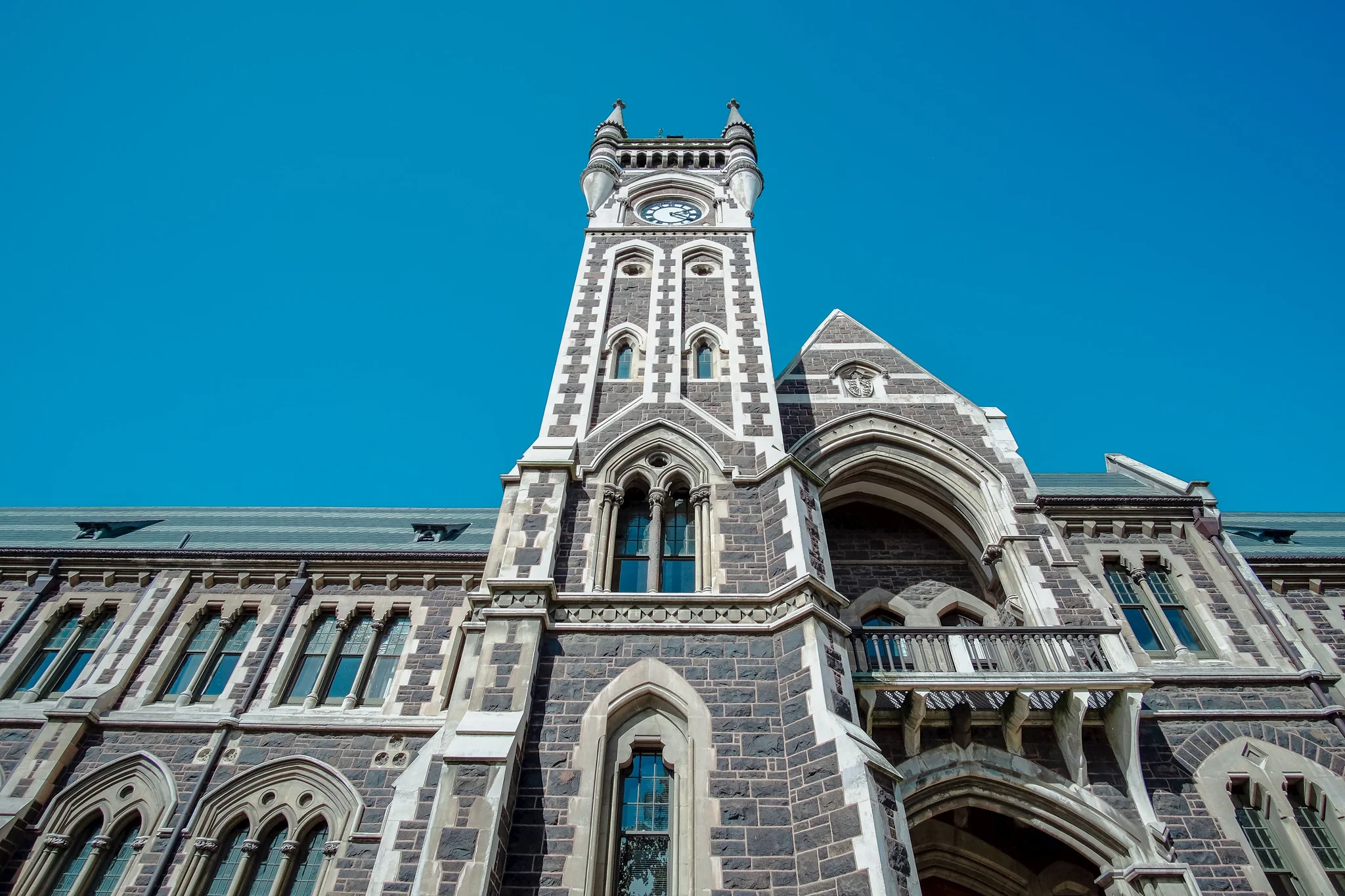
Cover photo: Image by StartupStockPhotos on Pixabay
Malta Introduces New Rules on Salary Transparency and Equal Pay
People applying for jobs or already working in Malta have a new set of workplace protections to understand.
In June 2026, Malta introduced the Equal Pay (Transparency and Reporting) Regulations through Legal Notice 173 of 2026.
The regulations implement the EU Pay Transparency Directive in Maltese law.
Their purpose is to strengthen the principle that women and men should receive equal pay for equal work or work of equal value.
The changes are relevant to both public- and private-sector employment. They also introduce clearer expectations about salary information during recruitment and employees' access to pay-related information.
1. What Is Pay Transparency?
Pay transparency means that employees and job applicants have greater access to information about remuneration.
The objective is to make it easier to understand how employers determine pay and whether differences in remuneration are justified.
Without access to relevant information, employees may find it difficult to identify unfair differences between people performing the same work or work of equal value.
The new Maltese regulations establish a legal framework for improving access to this information.
2. What Must Employers Tell Job Applicants?
One important change concerns salary information during recruitment.
According to the Maltese government's explanation of the new regulations, job applicants have the right to receive information about the initial pay level or salary range for the position.
This gives applicants a clearer idea of the remuneration before accepting an offer.
It can also help candidates compare opportunities and decide whether a job is financially suitable.
Employers are no longer permitted to ask applicants about their previous salary.
This is important because a candidate's previous pay should not automatically determine the salary offered for a new position.
Applicants should still clarify the full remuneration package, including benefits, allowances, working hours and any variable compensation.
3. Can Employees Ask About Pay Information?
The regulations also strengthen employees' access to pay-related information.
The framework allows employees to request information relevant to understanding pay differences.
The National Commission for the Promotion of Equality (NCPE) has a role in supporting employees who seek this information.
Where an employer does not respond to an employee's request within eight days, the NCPE may request the relevant pay information on the employee's behalf.
The Commission may also request further explanations where pay differences need to be examined.
This does not mean employees automatically receive the individual salary details of every colleague.
The information and disclosure process is subject to the protections and procedures in the regulations.
4. What Happens When There Is a Gender Pay Difference?
A difference in pay does not automatically prove discrimination.
There may be objective factors that explain different remuneration, such as responsibilities, experience, qualifications or other lawful criteria.
However, employers must be able to provide substantiated explanations where the regulations require them to explain differences.
The purpose is to identify unjustified gender pay gaps and encourage employers to address them.
The NCPE can request further clarification and work with the relevant monitoring arrangements when examining possible issues.
Employees who believe that they are being treated unfairly should seek information through the appropriate official channels rather than relying only on workplace rumours or comparisons.
5. Which Employers Have Additional Reporting Duties?
The regulations introduce additional responsibilities for employers with 100 or more workers.
These include pay-gap reporting responsibilities and, where necessary, joint pay assessments.
The reporting framework is intended to make pay differences more visible and encourage employers to investigate gaps that cannot be objectively explained.
The specific reporting obligations and implementation requirements should be checked against the full text of Legal Notice 173 of 2026.
Smaller employers should not assume that they are outside the entire law simply because the additional reporting requirements apply to larger organisations. The wider equal-pay and transparency framework also covers employers outside that threshold.
6. Do the Rules Apply to Foreign Workers?
The regulations concern equal pay and pay transparency in Malta's public and private sectors.
They are not a special immigration scheme, and they do not create a separate salary entitlement based on nationality.
A foreign employee working in Malta should understand the same applicable workplace protections and the terms of their employment.
However, the pay-transparency rules do not automatically grant a person permission to work in Malta or change their residence status.
Work authorisation and employment rights are related but separate legal matters.
7. What Should Jobseekers Do Before Accepting an Offer?
The new rules make it useful for candidates to ask clearer questions during recruitment.
Before accepting a job, consider asking:
- What is the initial salary or salary range?
- Is the amount gross or net?
- Are there additional allowances or benefits?
- How many hours are included in the salary?
- Is overtime paid separately?
- Are bonuses guaranteed or performance-based?
- What is the probation period?
- Are salary reviews conducted regularly?
A salary range is only one part of a job offer. Candidates should compare the full employment conditions before making a decision.
8. What Should Existing Employees Do?
Employees who want to understand their pay should begin by reviewing their employment contract, job responsibilities and any relevant collective agreement.
They can then identify the specific pay information they need and make a clear request through the appropriate workplace channel.
If the employer does not respond within the relevant period, the NCPE's published guidance explains how the Commission may assist.
Employees should retain relevant employment documents and communications.
9. Where Can Workers Get Official Help?
The National Commission for the Promotion of Equality is an important source of information about the new regulations.
The Department for Industrial and Employment Relations is also relevant for employment-law information.
Workers should consult these bodies when they need clarification about their rights or how to raise a concern.
They should avoid relying solely on social media explanations, because the exact legal position depends on the wording of the regulations and the circumstances of the case.
What the New Rules Mean
Malta's 2026 pay-transparency regulations are intended to make salary information more accessible and strengthen the enforcement of equal-pay principles.
For jobseekers, the ability to receive initial salary information and the restriction on asking about previous pay are important recruitment changes.
For employees, the framework provides a clearer route to request pay-related information and seek assistance where an employer does not respond.
For employers, it creates responsibilities around transparent remuneration practices and, for larger organisations, additional reporting requirements.
The practical value of the new rules will depend on how employers implement them and how effectively employees can exercise their rights.
Official Sources & References
- National Commission for the Promotion of Equality (NCPE) — “The Functions of the Commission.” Updated 23 October 2026. Explains the Commission's role under Legal Notice 173 of 2026.
https://ncpe.gov.mt/about-us/functions-of-the-commission/
- Government of Malta — “Business Breakfast held to discuss the new equal pay regulations: An important step towards transparency and fairness in the workplace.” Published 10 July 2026.
https://www.gov.mt/en/Government/DOI/Press%20Releases/Pages/2026/07/10/pr261156en.aspx
- Government of Malta — Government Gazette, 5 June 2026. Explanatory notes for the Equal Pay (Transparency and Reporting) Regulations, 2026.
- Department for Industrial and Employment Relations — Legislation, including L.N. 173 of 2026.
https://dier.gov.mt/en/resources/legislation/
Last verified: 20 November 2026.
This guide explains the general framework and is not a substitute for legal advice. Employees and employers should consult the full regulations and relevant authorities for individual cases.
Get new stories in your inbox
Stories, guides and updates from BenJournal. We send a link to confirm first, and you can unsubscribe at any time.
By subscribing you agree to our Privacy Policy.








No comments yet. Be the first to join the conversation.