Ireland Completes 10,154 New Homes in Q3 2026: Where Supply Is Growing
Ireland recorded 10,154 new dwelling completions in the third quarter of 2026, an increase of 10.4% compared with the same period last year. But the national rise hides important regional differences, with some areas recording fewer completions. Here is what the latest official figures reveal.

Cover photo: Image by Stan Diordiev on Unsplash
Ireland Completes 10,154 New Homes in Q3 2026: Where Is Housing Supply Growing?
Ireland recorded 10,154 new dwelling completions between July and September 2026, representing a 10.4% increase compared with the same quarter in 2025.
The figures, published by Ireland’s Central Statistics Office (CSO), provide a useful indication of how residential construction is progressing. They also reveal differences between regions and types of housing.
For people planning to rent, buy or relocate to Ireland, the figures are worth understanding. However, an increase in completed homes does not automatically mean that suitable accommodation is readily available or affordable in every town and city.
How many homes were completed?
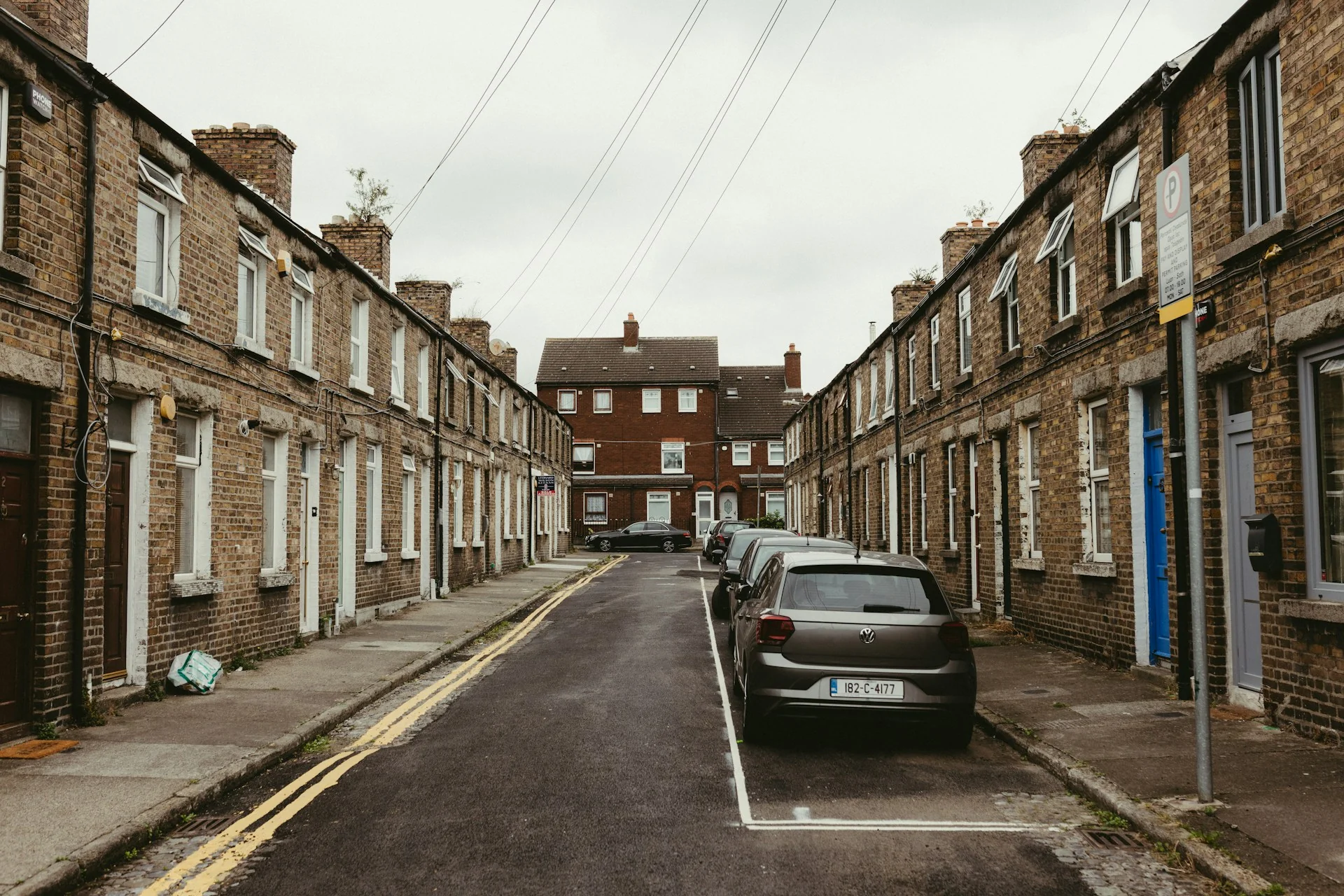
The CSO recorded 10,154 new dwelling completions in the third quarter of 2026, compared with 9,197 in the same quarter of 2025.
During the first nine months of 2026, Ireland completed 26,833 new dwellings. That was 10.6% more than the corresponding period in 2025.
Looking at the rolling 12-month period to the end of September, 38,792 homes were completed, an increase of 18% compared with the previous 12-month period.
These figures indicate an increase in the number of homes entering the completed housing stock.
What types of homes were completed?
The Q3 figures show that the increase was not limited to one type of property.
The 10,154 completions consisted of:
- 5,163 scheme dwellings, up 13.5% year on year.
- 3,464 apartments, up 9.8%.
- 1,527 single dwellings, up 2.1%.
Scheme dwellings accounted for 51% of all completions. Apartments represented 34%, while single dwellings made up 15%.
The distinction matters because different types of housing serve different needs. Apartment construction can add homes in urban areas, while scheme developments and individual houses contribute to supply in different settlement patterns.
Where were the homes completed?
Dublin accounted for more than a third of all new dwelling completions in Q3 2026, with 37% of the national total.
The Mid-East region, covering Louth, Meath, Kildare and Wicklow, accounted for 18%.
The regional picture was not uniform.
The West region, covering Galway, Mayo and Roscommon, recorded the largest relative increase, at 33% compared with Q3 2025.
The South-East region, covering Carlow, Kilkenny, Waterford and Wexford, recorded the second-largest relative increase, at 24%.
By contrast, completions fell by 8% in the Mid-West region of Clare, Limerick and Tipperary. The Border region, covering Cavan, Donegal, Leitrim, Monaghan and Sligo, recorded a 6% decline.
This means that a national increase should not be mistaken for equal progress in every part of Ireland.
What happened in Dublin?
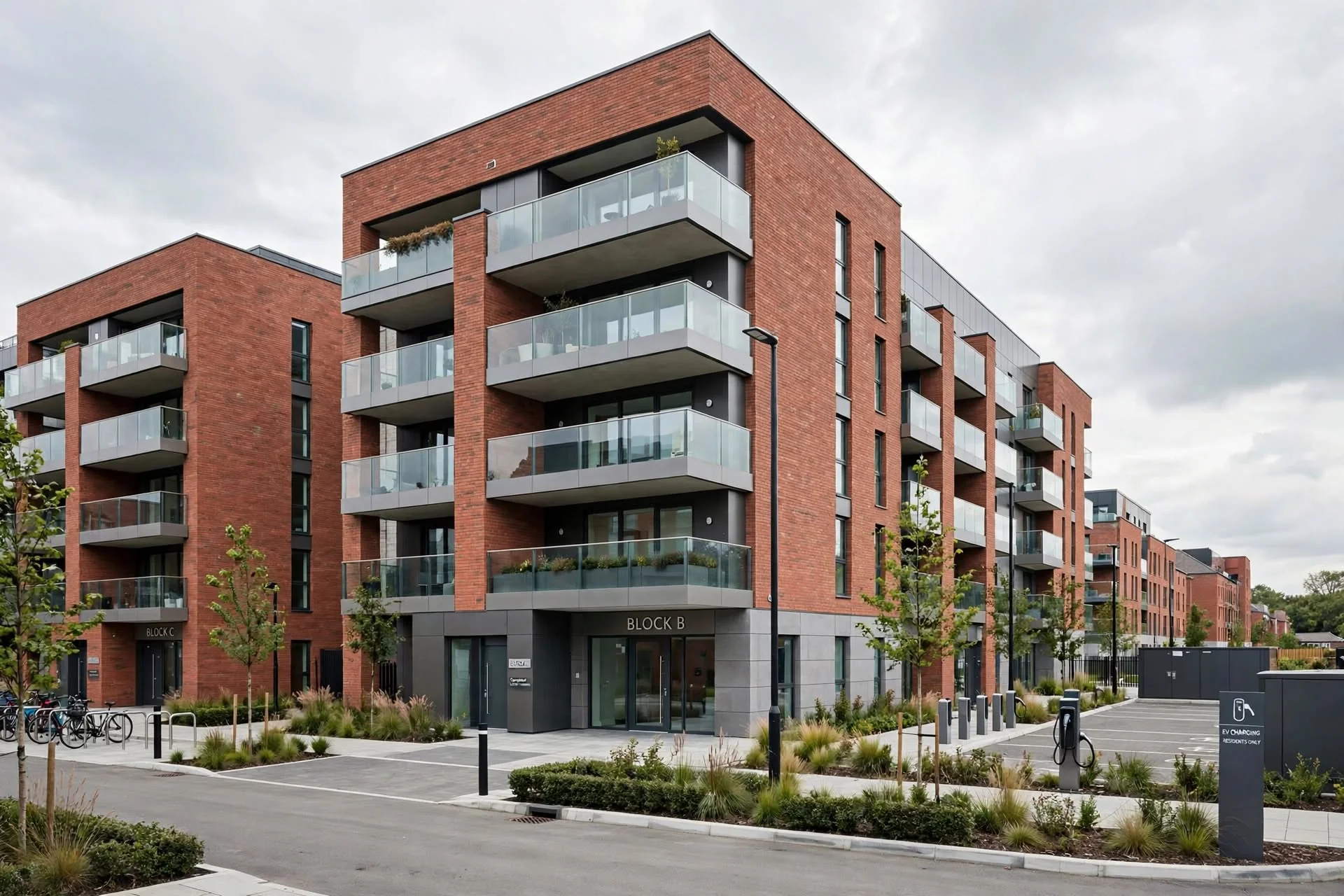
Dublin recorded 3,720 new dwelling completions in the third quarter, 12% more than in Q3 2025.
The composition of these homes is particularly interesting.
There were 2,311 apartment completions, representing a 7% decrease compared with the same quarter last year. Scheme house completions increased to 1,340, up 78%, while single dwelling completions fell to 69.
Dublin accounted for 67% of all apartment completions nationally during the quarter.
This shows why it is useful to look beyond the total number of homes. The type of property being delivered can be just as important as the overall volume.
Does more construction mean renting will become easier?
Not necessarily.
Completed homes are an important measure of supply, but they do not reveal how many properties are available to rent at a particular moment, what rents landlords are charging or whether a home is suitable for a particular household.
The November 2026 Monthly Housing Update also reported that residential property prices were 5.1% higher in the 12 months to August 2026.
The national median price of a dwelling purchased during the 12 months to August was €400,000. Dublin's median was €500,000.
These are purchase-price figures, not rental prices. They nevertheless show why rising construction activity should not be confused with an immediate improvement in affordability.
People looking for accommodation should continue to assess actual rental listings, transport connections, deposits, household expenses and their own financial circumstances.
What about homes still being planned or built?
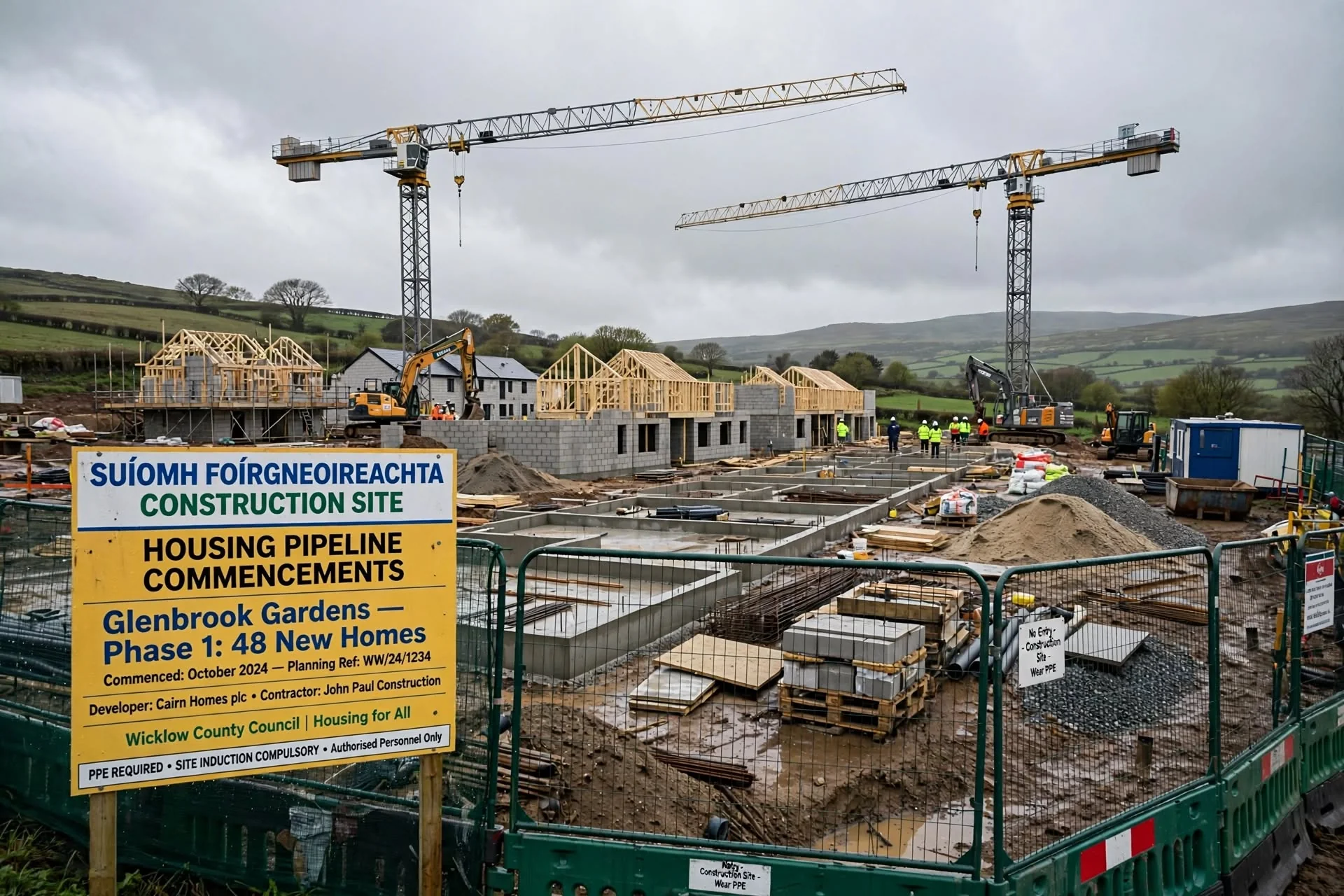
The housing pipeline also provides useful context.
The government's November housing update reported 3,682 home commencements in September 2026, 122% higher than September 2025.
Planning permission was granted for 11,912 residential units nationally in Q2 2026, a 60% increase compared with Q2 2025.
However, planning permission, construction commencement and completed homes are different stages.
A permitted development has not necessarily started construction. A commencement notice does not mean that a home is ready for occupation. Only completed dwellings represent homes that have reached the completion stage measured in the CSO release.
What should people planning to move to Ireland take from the figures?
The latest data provides a positive indication that more homes are being completed nationally. It also shows that construction activity varies considerably across regions.
Anyone planning to relocate should avoid choosing a location based only on national housing statistics.
Instead:
- Research accommodation in the specific town or neighbourhood where you intend to live.
- Compare actual rental and purchase prices.
- Consider transport links and the distance to work or education.
- Check whether the property is available for immediate occupation.
- Budget for deposits, utilities and other housing expenses.
- Remember that a rise in construction does not guarantee lower rents or property prices.
The bigger picture
Ireland's 10,154 completions in Q3 2026 represent a meaningful increase in housing delivery compared with the same quarter last year.
But the regional figures show that the national total does not tell the whole story. The West and South-East recorded strong annual increases, while the Mid-West and Border regions recorded declines.
For people following Ireland's housing market, the next question is not simply whether more homes are being built. It is where they are being delivered, what types of homes are entering the market and whether supply is keeping pace with local housing needs.
Official Sources & References
1. Central Statistics Office (Ireland) — “New Dwelling Completions Q3 2026”, published 29 October 2026.
https://www.cso.ie/en/releasesandpublications/ep/p-ndc/newdwellingcompletionsq32026/
2. Department of Housing, Local Government and Heritage — “Monthly Housing Update, November 2026”, published 4 November 2026.
https://assets.gov.ie/static/documents/9104bf5e/20261104_Monthly_Housing_November.pdf
3. Central Statistics Office — “New Dwelling Completions Q3 2026: Data”.
https://www.cso.ie/en/releasesandpublications/ep/p-ndc/newdwellingcompletionsq32026/data/
Last verified: 22 November 2026.
Note: Housing completions, planning permissions and construction commencements measure different stages of development. None should be treated as a direct measure of available rental properties.
Source: BenJournal. Full guide and latest updates: https://benjournal.com/posts/ireland-completes-10154-new-homes-in-q3-2026-where-supply-is-growing/ (last updated 21 November 2026).
Get new stories in your inbox
Stories, guides and updates from BenJournal. We send a link to confirm first, and you can unsubscribe at any time.
By subscribing you agree to our Privacy Policy.






No comments yet. Be the first to join the conversation.