Getting Around Japan: Train Etiquette, Bus Travel and Visitor Tips
Japan's public transport makes it possible to explore major cities and many smaller destinations without hiring a car. But visitors should understand how train and bus systems work, how fares are handled and the local customs that make journeys smoother.
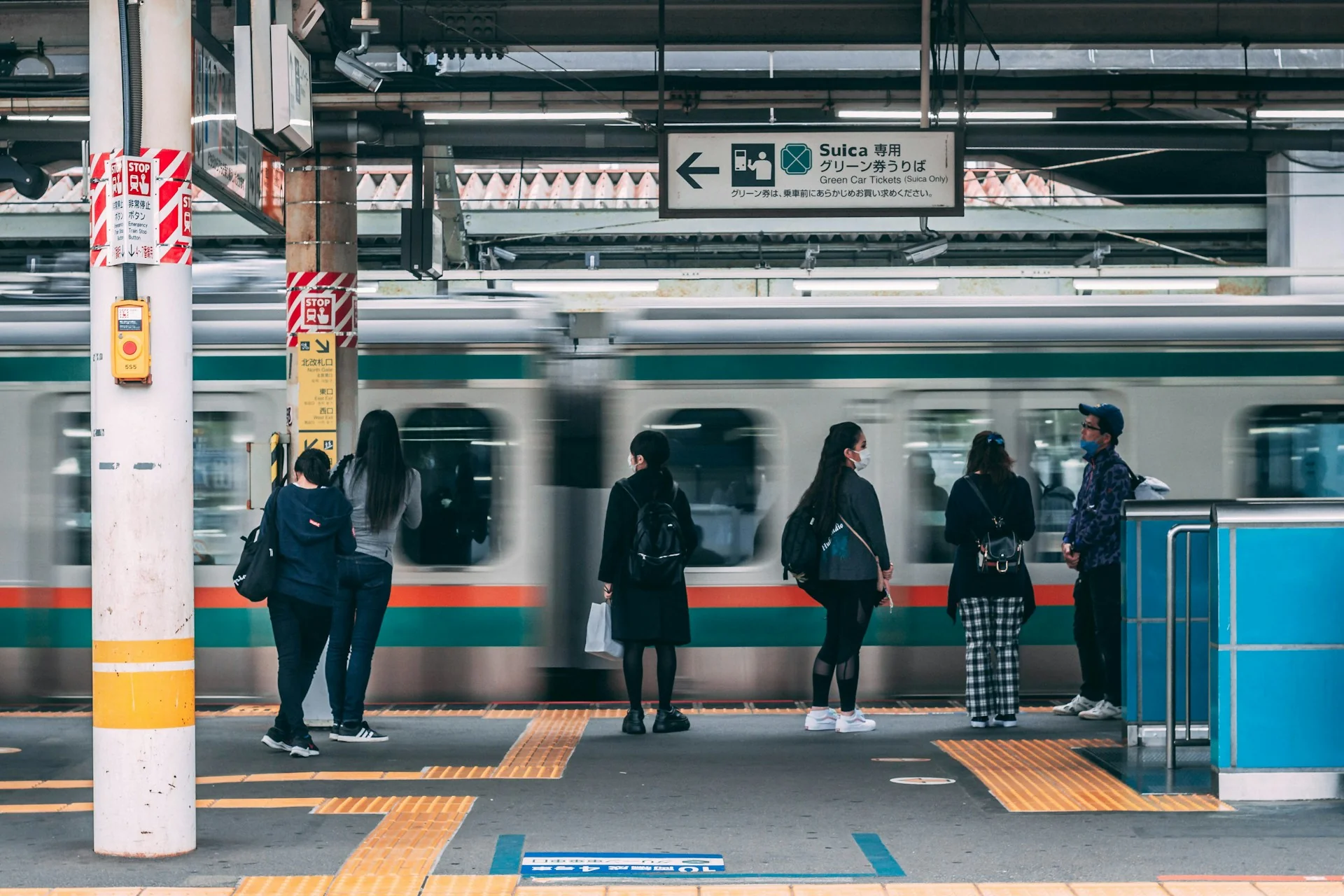
Cover photo: Image by Kanchan Raj Pandey on Unsplash
Getting Around Japan: Train Etiquette, Bus Travel and Everyday Tips for Visitors
Japan is a country where public transport plays a major role in everyday life.
Visitors can travel around major cities using extensive railway and bus networks. For many journeys, public transport is more convenient than hiring a car.
However, travelling around Japan is easier when you understand how the system works before arriving.
Trains are central to everyday travel
Japan has several railway operators and transport networks.
In Tokyo, for example, visitors encounter Japan Railways services, Tokyo Metro and Toei Subway lines.
Other cities have their own railway and bus arrangements.
This means that a journey may involve more than one operator, and fares can vary depending on the route.
For visitors, it is useful to check the journey before leaving accommodation, especially when changing between railway companies.
How do passengers pay?
Depending on the location and service, passengers may use tickets or rechargeable transport cards.
Some transport cards allow users to tap in and out at compatible stations and on participating buses.
However, visitors should not assume that every service accepts the same payment method.
When travelling outside major cities, carrying some cash is sensible because some rural buses and taxis may not accept cards.
What should you know about buses?
Buses are particularly useful in places where railway services do not reach every attraction or neighbourhood.
Some buses use numbered boarding tickets, while others have different boarding and payment arrangements.
The correct method depends on the operator and location.
Look at the signs inside the bus or ask the driver when you are unsure.
Luggage can affect your journey
Large suitcases can be inconvenient on busy trains and buses.
Japan's tourism guidance recommends keeping luggage out of the way of other passengers.
Some long-distance train services have specific luggage arrangements, and certain oversized bags may require advance reservations.
If you are travelling with several large bags, check the railway company's current luggage rules before departure.
Understanding transport etiquette
Japan's public transport is used by large numbers of people every day.
A few simple habits help visitors travel comfortably:
- Keep conversations quiet.
- Avoid speaking loudly on mobile phones.
- Allow passengers to leave before boarding.
- Keep backpacks and luggage out of people's way.
- Give priority seats to passengers who need them.
- Follow queue markings at platforms.
- Use headphones when listening to audio.
These are practical ways of respecting other passengers.
Travelling outside Tokyo and Osaka
Japan is not only its largest cities.
Smaller towns and rural destinations can offer different experiences, but transport may be less frequent.
Plan journeys carefully, check the last bus or train, and avoid assuming that services operate at the same frequency as they do in major cities.
A little planning can prevent a difficult journey back to your accommodation.
A useful checklist before leaving your hotel
Before travelling to another area, check:
- Your destination station or bus stop
- The transport operator
- Whether you need a separate ticket
- The final departure time
- Luggage restrictions
- Whether cash may be needed
- The return journey
Official Sources & References
- Japan National Tourism Organization — How to Travel by Train and Bus:
https://www.japan.travel/en/guide/how-to-travel-by-train-and-bus/
- Japan National Tourism Organization — Japanese Customs and Etiquette:
https://www.japan.travel/en/responsible-travel-guide/japanese-customs-and-etiquette/
- Japan National Tourism Organization — FAQ:
https://www.japan.travel/en/faq/
Last updated: 16 November 2026
BenJournal note: Transport services, payment acceptance and luggage policies vary by operator and location. Check the relevant railway or bus company's current instructions before travelling.
Get new stories in your inbox
Stories, guides and updates from BenJournal. We send a link to confirm first, and you can unsubscribe at any time.
By subscribing you agree to our Privacy Policy.







No comments yet. Be the first to join the conversation.